CANADA HISTORY
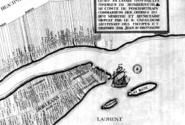
The Seigneurial system was a key aspect of New France's colonial development, designed to structure land ownership, settlement, and agricultural production in a way that reflected the feudal traditions of France, while adapting to the unique conditions of North America. This system, first established in 1627, became a foundation for how land was distributed, cultivated, and defended in the colony, shaping the social and economic fabric of Quebec for over 200 years.
At the core of the Seigneurial system was the seigneur (or lord), a landowner who was granted large tracts of land by the King of France. The land, typically aligned along the St. Lawrence River or other significant waterways, was parceled out in long, narrow strips to ensure each seigneurial estate had access to the river. This water access was crucial for transportation, irrigation, and trade, reflecting the practical needs of the early colony, where rivers were lifelines for the flow of goods and people.
Seigneurs held a position of responsibility and privilege. Upon being granted land, often through a formal ceremony at Château Saint-Louis in Quebec City, the seigneur was obliged to survey the land, conduct a census of its resources, and commit to defending it in the name of the King. Their responsibilities included ensuring that the land was cultivated and productive, helping establish an agricultural economy that could sustain both the seigneury and the colony as a whole. In return, the seigneur enjoyed the benefits of rent and services provided by the censitaires, the tenant farmers who worked the land.
Censitaires were settlers who leased portions of the seigneur's land, known as concessions, and were required to pay an annual rent (known as the cens). In addition to rent, the censitaires were also expected to provide services to the seigneur, such as labor for communal projects like road building or the maintenance of mills. However, the seigneur had responsibilities to the censitaires as well, ensuring they had access to a grist mill, a chapel, and sometimes even legal recourse through a local court system established on the seigneury.
The relationship between seigneur and censitaire was a mutually beneficial one, built on reciprocal obligations. The censitaires could keep their land and pass it down to future generations, provided they maintained their payments and services. The seigneur, in turn, ensured the stability and productivity of his estate, which would increase the wealth of both the seigneury and the colony as a whole. These obligations, tied to land tenure, provided a stable framework that supported agricultural development in New France.
One of the most unique features of the Seigneurial system was the long-lot system, the division of land into long, narrow strips that extended from the riverfront inland. This arrangement ensured that each censitaire had access to the river for transportation and irrigation, which was critical given the importance of waterways in the early colony. The layout also fostered close-knit communities, as censitaires lived in proximity to one another along the riverbanks, contributing to the development of villages and local economies.
Over time, the Seigneurial system became a powerful tool for population growth and colonial expansion. It encouraged immigration from France by offering settlers an opportunity to own land and establish a livelihood in the New World. The habitants—as the French settlers became known—developed a distinct cultural identity in New France, heavily influenced by their relationship to the land and the Seigneurial system.
However, the system was not without its challenges. As the colony grew, the rigidity of the system led to tensions between seigneurs and censitaires, especially as economic conditions changed. By the mid-18th century, the system began to show signs of strain. Seigneurial dues were seen as burdensome by many habitants, and the lack of flexibility in land ownership limited the development of larger, more productive farms. The system was abolished by the British in 1854, after the conquest of New France, but its legacy remains a significant part of Quebec’s history.
In terms of Canadian history, the Seigneurial system played a crucial role in shaping the agrarian society of New France and laid the groundwork for much of Quebec's rural landscape. It contributed to the development of close-knit communities, the survival of French culture in Canada, and the establishment of a stable farming economy that supported both the colony and its export markets. Furthermore, the system fostered a unique social hierarchy in New France, where power and influence were tied to land ownership, creating a legacy that persisted long after the fall of the French regime. The structure and relationships it established continue to influence Quebec's cultural identity and land tenure practices to this day.
Cite Article : www.canadahistory.com/sections/documents